
More imp, less hobgoblin
Interpreting some wisdom from Ralph & Esther

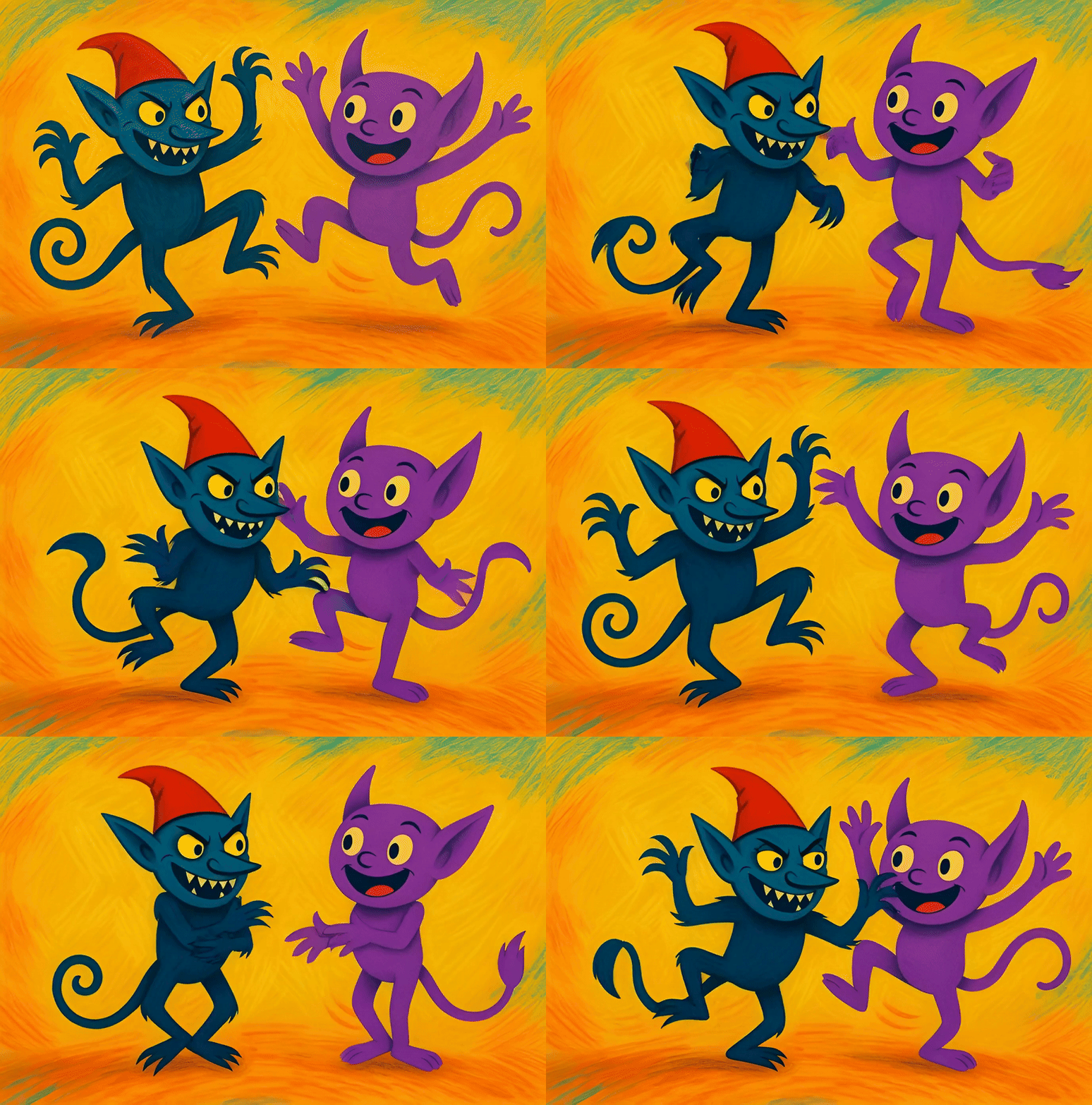
Continuing our theme of the demons that erode love, today we introduce a new one: the hobgoblin.
You’ve probably come across this quote from Ralph Waldo Emerson:
A foolish consistency is the hobgoblin of little minds.
It’s typically interpreted to mean: no need to be so rigid; live a little.
I recently learned that the quote follows some more context:
The other terror that scares us from self-trust is our consistency; a reverence for our past act or word, because the eyes of others have no other data for computing our orbit than our past acts, and we are loath to disappoint them.
In other words: once we think people expect us to act a certain way, we keep acting that way.
It’s so true! I’m not sure why that is, but it seems to be a fundamental part of human nature. Once you know it, you can’t help noticing it all the time.
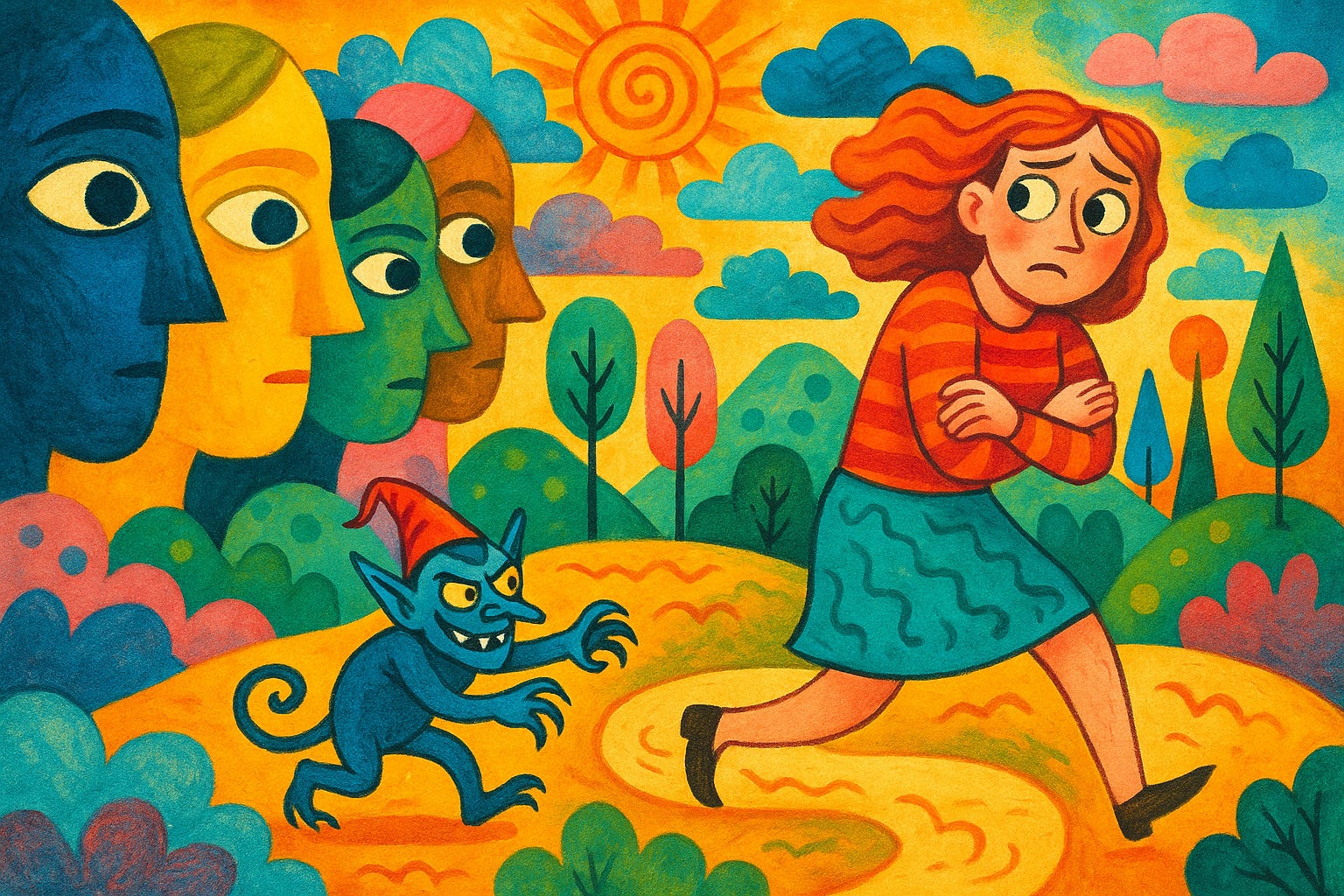
The downside of this truth is that it can prevent you from changing. For example, when many grown-ups see their parents, they can’t help defaulting to their parent-child dynamics from childhood. Other people can put you into boxes like this—but it’s not necessarily their fault. Your perception of their perception puts you in a box.
This can be particularly damaging for marriages (or any long-term relationship). The relationship therapist Esther Perel, in her book Mating in Captivity, emphasizes one main point repeatedly: if you stay the same, there is nothing for your partner to fall in love with each day. Eroticism, then romance, will fade as a result.
And yet, despite knowing that we shouldn’t put our partner into a box, we can’t help it. Perel writes:
We see what we want to see, what we can tolerate seeing, and our partner does the same. Neutralizing each other’s complexity affords us a kind of manageable otherness.
To paraphrase: we like to keep things simple, because simple is manageable. If our partner behaves in ways that are unexpected, it can shake our “safe,” simplistic view of them (and of the world).
The antidote is straightforward: Show off your complexity! Defy expectations! Be impish.
You can try:
Driving a new route when going to the grocery store together
Saying something totally different than usual when you fall into a repeated argument
Being in a good mood, when it’s normally a time of day that they have become accustomed to you being tired or grumpy
You don’t have to be locked into fulfilling their expectations of you. You don’t owe them any “data for computing your orbit”—that would be a “foolish consistency.”

Note that this is not about being unexpected for the sake of it. (Some relationships could stand to use less theatrics!) Rather, it’s about being more authentic, even if that authenticity reveals a part of you that was unexpected.
My wife Charlotte and I have adopted the phrase “I’m being impish!” whenever we try something new. We aim to encourage unexpected behavior in each other, rather than bristle at it.
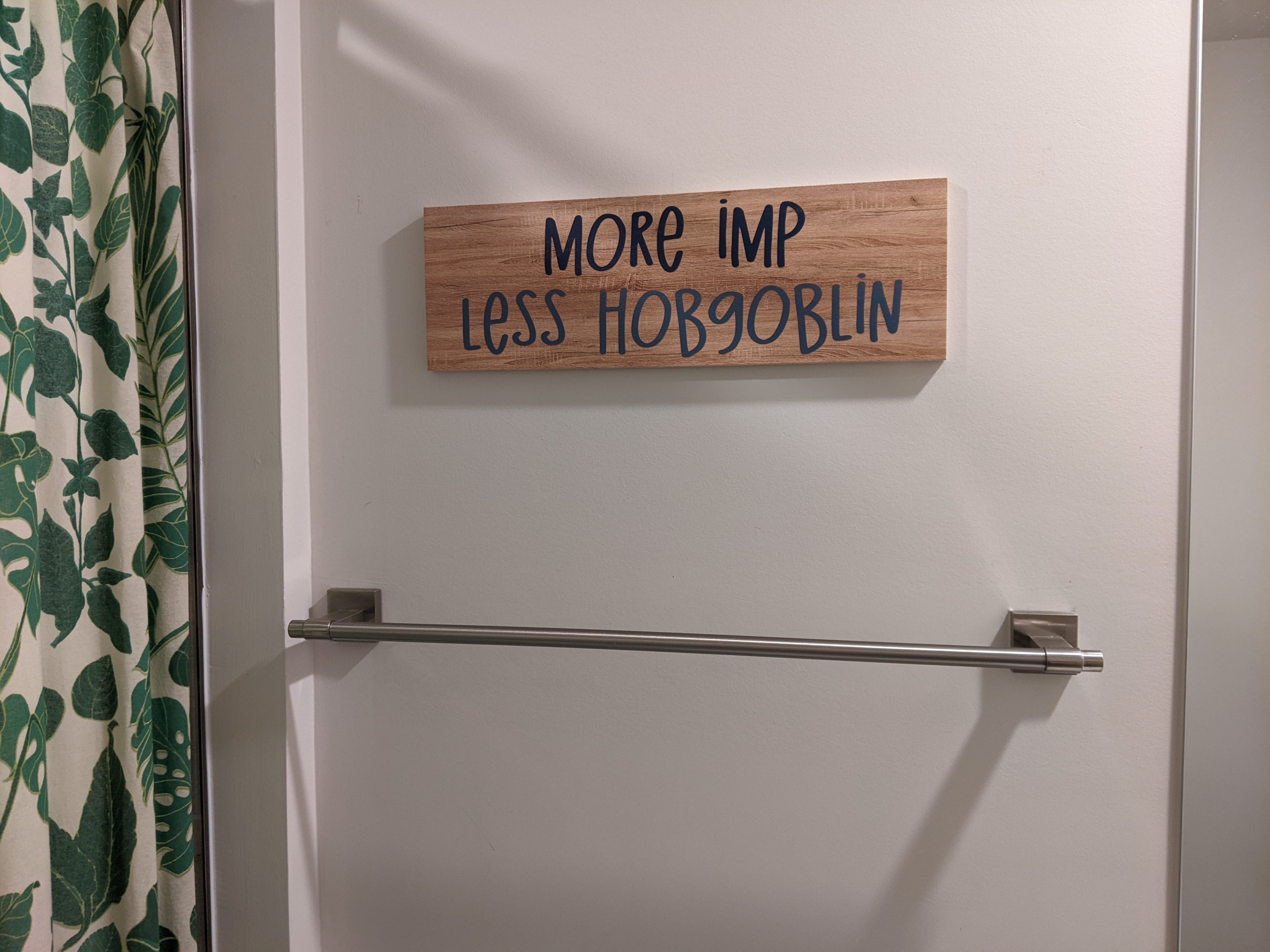
We try to avoid phrases like:
“But you don’t like X!”
“Why are you ordering that? You always order something else.”
“Why were you being nice to him? You don’t even like him.”
These phrases can build resentment, or worse—prevent you from growing. In the best relationships, you grow together constantly. You learn about yourselves, each other, the world; you push each other to strive more and to be better people. This growth often manifests in unexpected ways.
For that reason, when you commit, you are not only committing to who they are, but also to who they will be.
Which means there’s another underrated quality to look for in a partner: the slope, not the intercept. (The rate of how quickly they get better, rather than how good they are now.) If I’m committing for the long-term, I’d care a lot less about where someone is now…
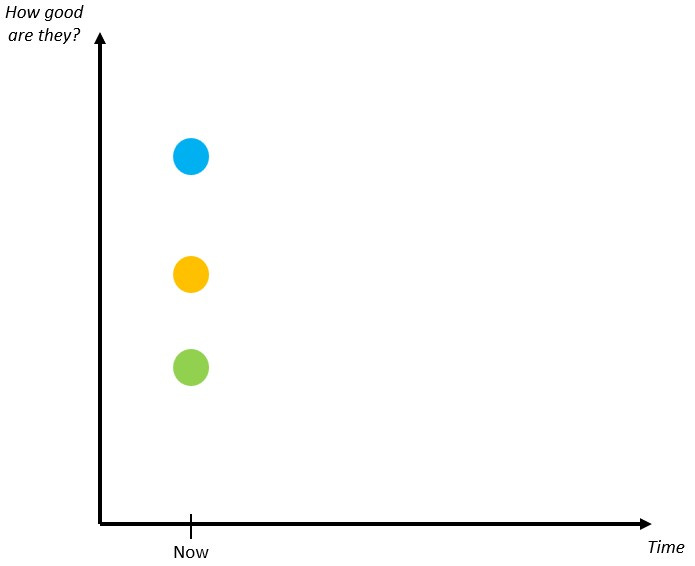
…and a lot more about where they will be in 5 years.
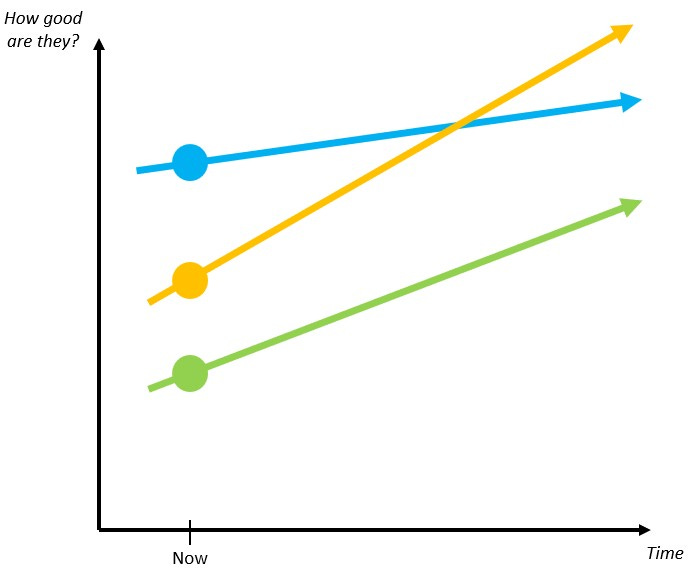
Of course, it’s impossible to predict—but you can see how fast they grow during the time you know them.
I told Charlotte (who has a very high slope!) in our wedding vows1: “I love you the way you are, and I love you the way you were, and I love you the way you will be.”
Of course, that closing is the way you would have expected me to end this post. But I’m an imp, not a hobgoblin! I can still surprise you.
We actually didn’t do wedding vows. Instead, we called our speeches “Declarations of Dependence”—explanations of why we wanted to become dependent upon one another.
Love this! The message is all the more important as people marry later, as in order to thrive (or at least glean the most value from marriage), they have to grow into each other and adapt even more, having already spent so much time developing eccentricities and habits on their own.
This is such a fun notion! I NEVER comment on substack, except today I just did. So there!